Red Yeast Rice Explained: Why This Ingredient Needs A Doctor's Input
Red Yeast Rice is a traditional Chinese fermented rice product that naturally contains monacolin K — a compound chemically identical to lovastatin, a prescription statin medication.
This is a genuinely different situation from most supplement ingredients, and it deserves more caution than the average botanical on a label.
What makes Red Yeast Rice different from other botanicals
Most traditional botanicals on a supplement label work through mild, diffuse mechanisms. Red Yeast Rice is different: certain strains, fermented in a particular way, naturally produce monacolin K, which is molecularly identical to lovastatin — an FDA-approved prescription drug used to lower cholesterol. This is not a case of ‘working through a similar pathway’ the way many botanicals do; it can be the same molecule.
Why the FDA has taken a specific position on this
Because monacolin K is the active ingredient in an approved drug, the FDA has stated that supplements containing meaningful amounts of it are considered unapproved new drugs, not dietary supplements, under U.S. law. In practice, monacolin K content varies significantly between Red Yeast Rice products and batches, since it is not a standardized extract the way a pharmaceutical dose is. Background on the ingredient and this regulatory history is summarised by the NCCIH.
The interaction that matters most
Other interactions worth knowing
Grapefruit juice, certain antibiotics and antifungal medications can all increase blood levels of monacolin K, similar to known lovastatin interactions. Anyone with liver conditions or who drinks alcohol heavily should also discuss Red Yeast Rice with a doctor specifically, not just supplements in general.
Applying this to Cardio C2
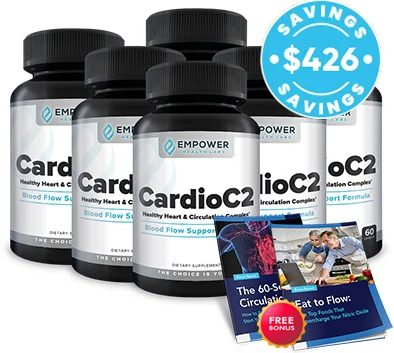
Red Yeast Rice is one of the eight named ingredients in Cardio C2's formula, included for its traditional association with healthy cholesterol metabolism. We flag this ingredient specifically, prominently, and repeatedly across this site because the interaction risk is real and worth knowing before you order — particularly if you are already on a statin or any other cholesterol medication.